
Thinking about remodeling your kitchen but unsure where to start—or what actually goes into the process? You’re not alone. Many homeowners begin researching kitchen remodeling Central Florida because they want to improve functionality, update outdated designs, or better align their space with how they actually live.
Kitchen remodeling is more than just replacing cabinets or countertops. It involves planning, design decisions, budgeting, material selection, and understanding how all those pieces come together. By the end of this guide, you’ll have a clear understanding of what kitchen remodeling involves, how the process typically works, and what factors influence the outcome.
What Does Kitchen Remodeling Actually Include?
Kitchen remodeling can range from minor updates to full structural transformations. Understanding the scope helps clarify what kind of project you’re really planning.
Common Types of Kitchen Remodels
- Cosmetic Updates: Painting cabinets, replacing hardware, upgrading lighting
- Partial Remodels: New countertops, appliances, or flooring
- Full Remodels: Layout changes, new cabinetry, electrical/plumbing updates
- Structural Renovations: Removing walls, expanding space, or reconfiguring the footprint
Each level of remodeling involves different timelines, costs, and planning requirements. A full remodel, for example, often requires coordination between multiple trades like electricians, plumbers, and carpenters.
For a more detailed breakdown of project scope and what different remodeling approaches involve, reviewing a comprehensive resource on kitchen remodeling services and processes can help clarify what to expect at each level.
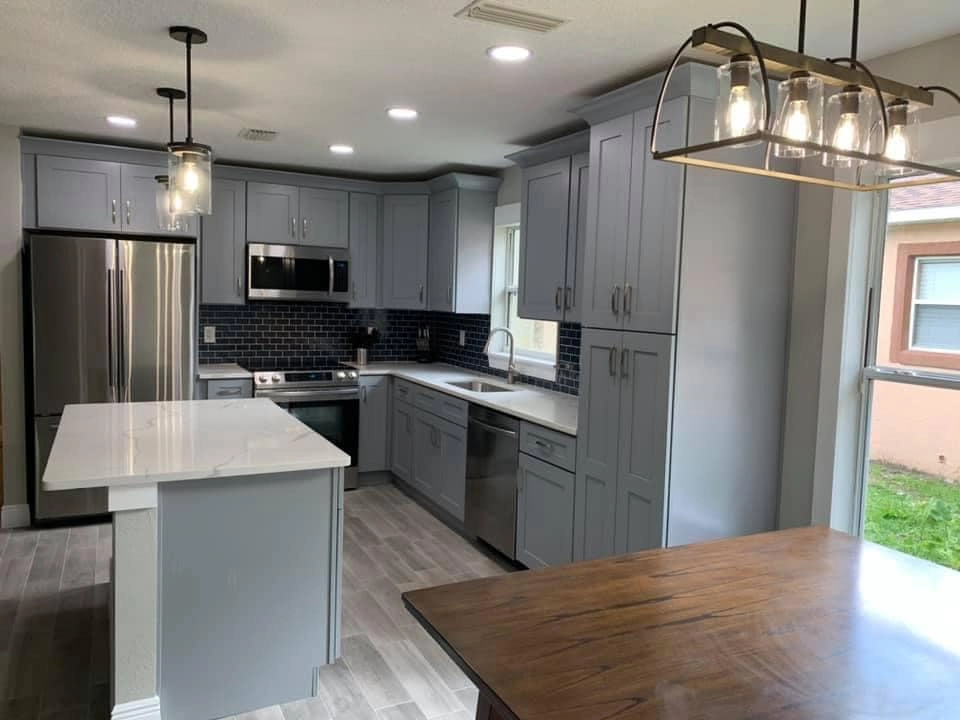
Key Phases of a Kitchen Remodeling Project
A kitchen remodel isn’t a single task—it’s a sequence of coordinated steps. Understanding these phases helps set realistic expectations.
1. Planning and Design
This is where layout, functionality, and style decisions are made. It includes:
- Space planning (workflow, storage, traffic flow)
- Material selection (cabinets, countertops, flooring)
- Budget alignment
2. Demolition and Preparation
Old materials are removed, and the space is prepared for new installations. This phase can reveal hidden issues like outdated wiring or plumbing.
3. Rough-In Work
Electrical, plumbing, and HVAC systems are updated or relocated as needed before walls and surfaces are closed.
4. Installation
Cabinets, countertops, flooring, and fixtures are installed. This is where the design becomes visible.
5. Finishing and Inspection
Final details like painting, trim, and hardware are completed, followed by inspections to ensure everything meets standards.
Design Considerations That Impact Functionality
A well-designed kitchen isn’t just visually appealing—it supports how people actually use the space.
Layout and Workflow
The concept of the “kitchen work triangle” (sink, stove, refrigerator) is still relevant, but modern layouts often expand on it to include zones for prep, cooking, and storage.
Storage Efficiency
- Deep drawers vs. traditional cabinets
- Pantry integration
- Vertical storage solutions
Lighting Layers
- Task lighting: For prep areas
- Ambient lighting: General illumination
- Accent lighting: Highlights design features
Material Selection
Durability and maintenance matter just as much as appearance. For example:
- Quartz vs. granite countertops
- Hardwood vs. tile flooring
- Painted vs. natural wood cabinetry
For broader insights and related kitchen topics, exploring additional articles within the kitchen remodeling blog category can help expand your understanding of design trends and practical considerations.
Factors That Influence Kitchen Remodeling Timelines
One of the most common questions is how long a remodel takes—and the answer depends on several variables.
Scope of Work
A cosmetic update may take weeks, while a full remodel can take months.
Material Availability
Custom cabinetry or specialty materials can extend timelines due to manufacturing and delivery schedules.
Permits and Inspections
Certain changes require approvals, which can add time depending on complexity.
Unexpected Issues
Older homes may have hidden challenges like outdated wiring or structural concerns that need to be addressed mid-project.
How Professionals Approach Kitchen Remodeling
From a professional standpoint, kitchen remodeling is about balancing aesthetics, functionality, and long-term performance.
Prioritizing Function First
Experienced remodelers focus on how the kitchen will be used before considering finishes or visual details.
Sequencing Work Correctly
Each phase must happen in the right order to avoid costly rework. For example, electrical and plumbing must be completed before drywall and cabinetry installation.
Managing Trade Coordination
Multiple specialists are involved, and timing their work correctly is essential for efficiency.
Planning for Longevity
Professionals consider wear-and-tear, maintenance, and future usability—not just immediate appearance.
Frequently Asked Questions
What is the average cost of kitchen remodeling?
Costs vary widely depending on scope, materials, and labor. Minor updates cost significantly less than full structural remodels.
How long does a kitchen remodel usually take?
A basic remodel may take 3–6 weeks, while a full renovation can take 8–12 weeks or longer.
Do I need permits for kitchen remodeling?
Permits are typically required for electrical, plumbing, or structural changes. Cosmetic updates usually do not require them.
What is the most important part of a kitchen remodel?
Functionality and layout are the most critical. A well-designed layout improves usability more than any single design feature.
Can I use my kitchen during the remodel?
In most cases, access will be limited or unavailable during major phases like demolition and installation.
What adds the most value in a kitchen remodel?
Updated cabinetry, durable countertops, efficient layouts, and modern appliances tend to have the greatest impact.
Conclusion
Kitchen remodeling is a multifaceted process that involves much more than surface-level updates. From planning and design to installation and finishing, each phase plays a role in shaping the final result. Understanding the scope, timeline, and key considerations helps create realistic expectations and better decision-making.
If you’d like to explore this topic further, related guides and resources can help deepen your understanding and provide additional clarity as you plan ahead.